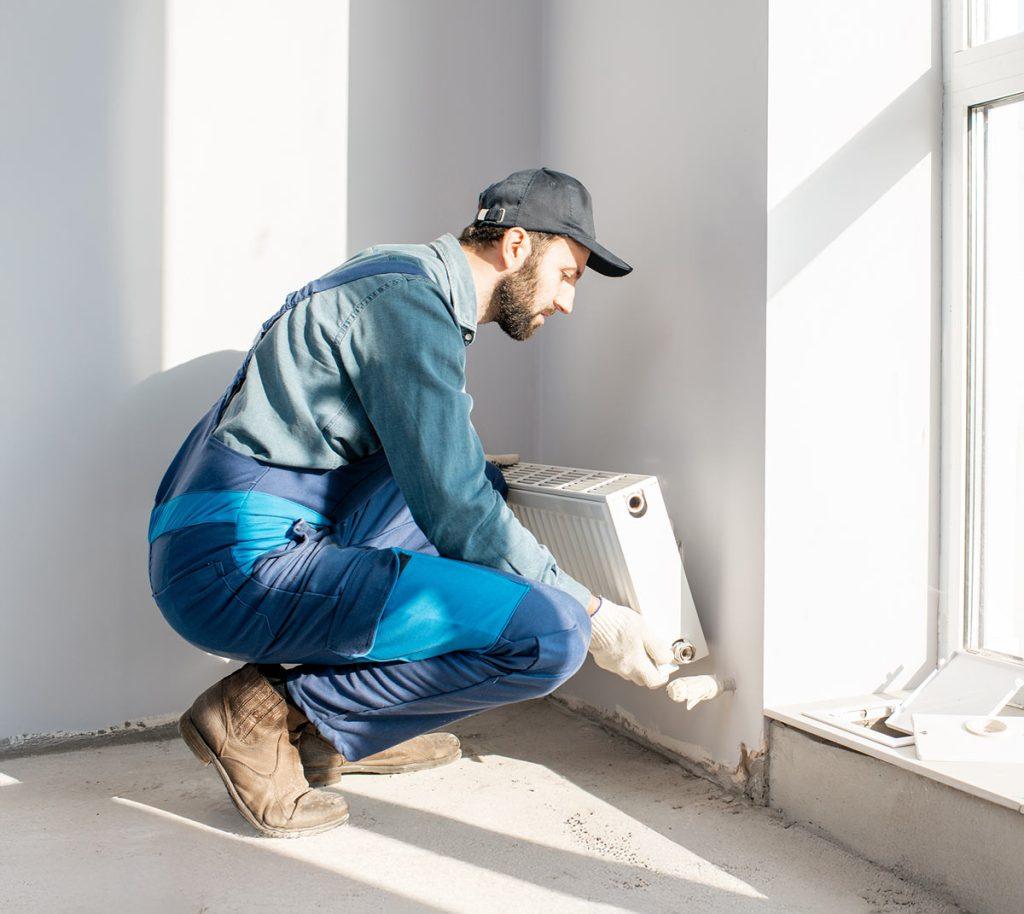
A well-designed and properly maintained central heating system is essential for keeping your home or business comfortable throughout the year. At Oakdene Heating, we specialise in the installation, servicing, and maintenance of central heating systems tailored to the unique needs of your property. Whether you’re upgrading an old system or fitting out a new build, our experienced engineers ensure every component—from boilers and radiators to pipework and controls is installed to the highest standard.
Efficiency and reliability are at the heart of what we do. Our team uses the latest techniques and trusted brands to maximise energy performance and minimise running costs. We also offer smart thermostat integration, allowing you to control your heating with ease and improve your home’s energy efficiency. With routine servicing and responsive maintenance, we help you avoid common heating issues and keep your system running smoothly year after year.
Based in St Albans, Oakdene Heating serves homeowners and commercial clients across Hertfordshire and beyond. We take pride in offering honest advice, prompt service, and clear communication from start to finish. Whether it’s a small repair or a full system overhaul, you can rely on us to deliver warmth, comfort, and peace of mind when it matters most.
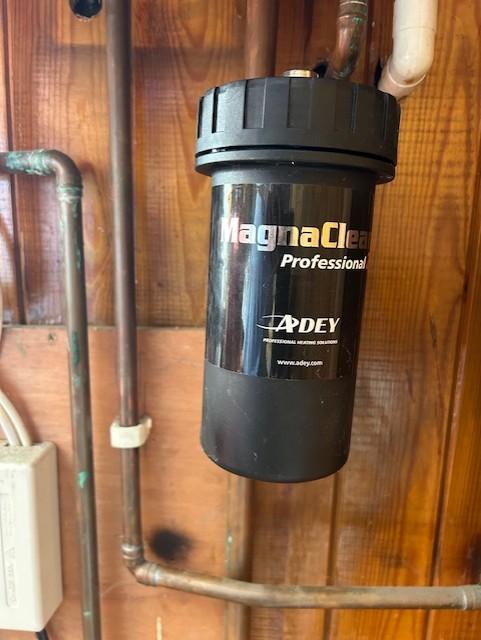
A power flush is a vital part of maintaining a healthy, efficient central heating system. Over time, sludge, rust, and debris can build up inside your pipes and radiators, reducing efficiency and increasing wear and tear on your boiler. Power flushing uses a specialised pump to force clean water and cleaning agents through your system, dislodging and removing this buildup.
Here’s everything you need to know about the costs involved, when to consider a power flush, and what signs to look out for.
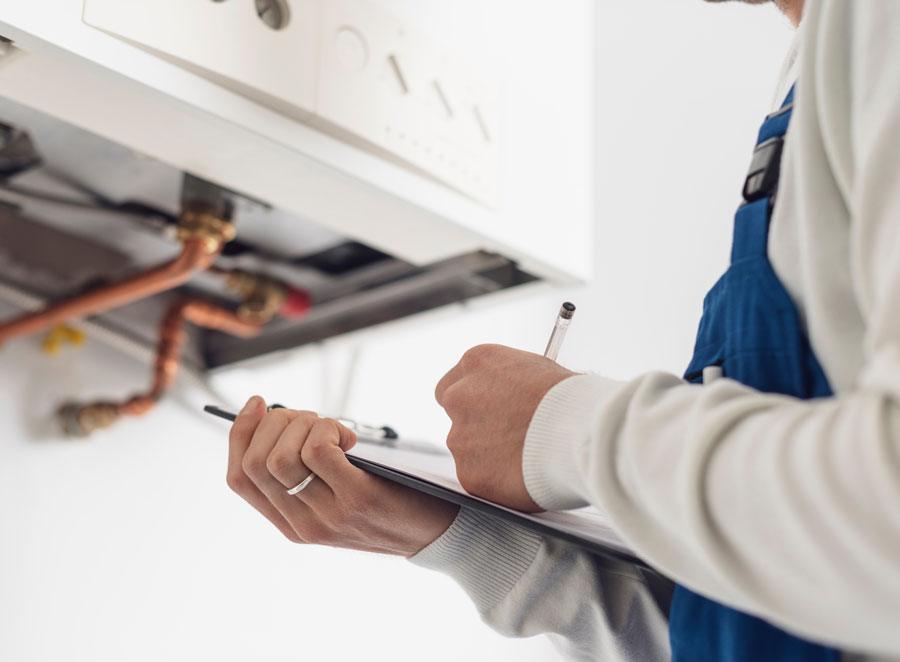
While a standard power flush includes cleaning the central heating system, there are a few optional (but recommended) extras that may add to the overall cost:
There’s no one-size-fits-all answer, but as a general guideline, a power flush every 5 to 6 years is recommended to keep your system in good condition.
However, this can vary depending on:
Some homeowners stretch it to every 8–9 years, but the risk of inefficiency and issues increases over time.
You don’t have to wait for problems to arise. A power flush is particularly useful in the following situations:
It’s not always obvious that your system needs cleaning, but here are some common signs:
These symptoms often point to a buildup of sludge or debris restricting the flow of hot water.
Power flushing costs can vary depending on the size of your property and the number of radiators. On average, you can expect the following:
Other factors that can affect cost include the complexity of your heating system and ease of access to radiators or pipework. Flats, for instance, may be cheaper due to fewer radiators and a more compact layout.
Yes — chemical flushing is a lighter, less intensive alternative. This involves circulating cleaning chemicals through the system for a longer period (usually days or weeks), then draining and refilling the system.
While cheaper, chemical flushing is generally only suitable for routine maintenance, not for systems suffering from heavy sludge or blockages.
In some cases, particularly with badly affected systems, a chemical flush may be followed by a power flush — increasing the total cost.
Most wet central heating systems can be power flushed, including combi boilers, system boilers, and regular boilers. However, electric heating systems such as storage heaters don’t use water circulation and therefore can’t be power flushed.
Older systems or those with complex layouts may require additional time and labour, which can affect the final cost.
Power flushing is an investment in the long-term health of your heating system. It improves efficiency, reduces energy bills, and can extend the life of your boiler and radiators.
Whether you’re experiencing heating issues or just want to maintain your system, it’s worth considering — especially if it hasn’t been done in several years or you’re making major upgrades to your heating setup.
If your system is over 15 years old, inefficient, or frequently breaking down, it may be time to consider a replacement or upgrade.
Installation includes fitting a boiler, radiators or underfloor heating, pipework, and controls. We assess your property and tailor the system to your needs.
For a standard home, a full installation typically takes 2–5 days, depending on the complexity and size of the property.
We recommend servicing your boiler annually and checking the entire system every 1–2 years to ensure optimal performance.
Yes, we can install smart controls like Nest or Hive to help you manage your heating efficiently and save on energy bills.
Upgrading to a modern boiler, adding smart controls, and regular servicing can all improve your system’s efficiency.