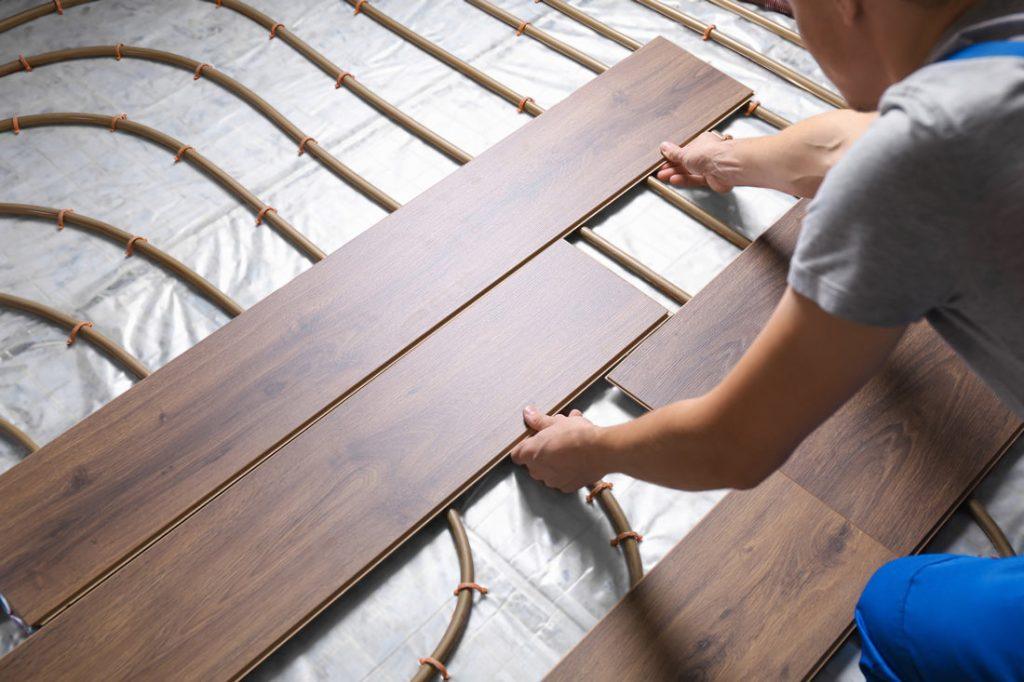
A central heating system is essential for maintaining a warm, comfortable home, especially during the colder months. However, if it’s not running efficiently, you could be losing heat – and money – without realising it. Fortunately, there are several practical steps you can take to improve your heating system’s efficiency, lower your energy bills, and extend the lifespan of your equipment. In this guide, we’ll explore the most effective ways to enhance your central heating performance.
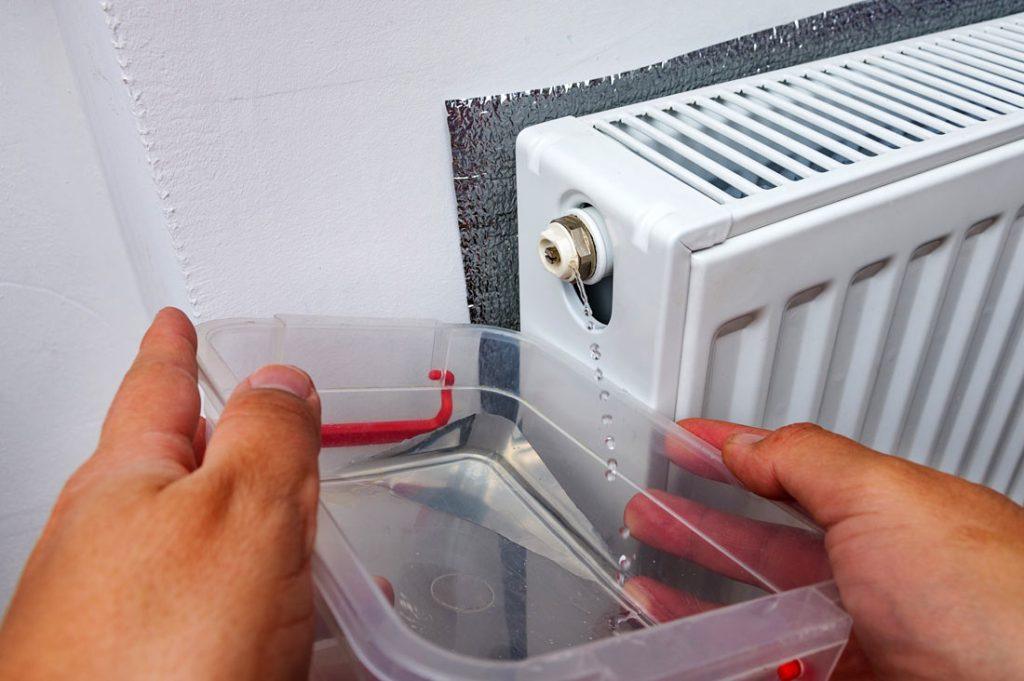
1. Bleed Your Radiators
Over time, air can become trapped inside radiators, preventing them from heating up properly. This makes your system work harder, wasting energy.
How to do it:
- Turn off your heating system.
- Use a radiator key to open the bleed valve slowly.
- Allow the trapped air to escape until water starts to flow.
- Close the valve and turn the heating back on.
Bleeding radiators regularly ensures an even distribution of heat throughout your home.
2. Balance Your Heating System
If some radiators in your home are much hotter than others, your system may be unbalanced. This can make your boiler work harder than necessary.
How to fix it:
- Adjust the valves on each radiator to ensure heat is distributed evenly.
- A heating engineer can perform a full system balance for optimal efficiency.
3. Install a Smart Thermostat
Smart thermostats give you greater control over your heating schedule, allowing you to heat your home only when needed. Many modern thermostats can learn your habits and automatically adjust settings for maximum efficiency.
Benefits include:
- Lower energy bills by avoiding unnecessary heating.
- Remote access to adjust settings via smartphone.
- More precise temperature control.
4. Power Flush Your System
Over time, sludge, rust, and debris can build up in your pipes and radiators, reducing efficiency and potentially causing damage.
What a power flush does:
- Uses a special machine and cleaning chemicals to remove debris.
- Restores full water circulation and heating efficiency.
- Helps prevent boiler breakdowns and cold spots in radiators.
A power flush every 5–10 years can significantly improve heating performance.
5. Upgrade to a High-Efficiency Boiler
Older boilers are often less energy-efficient compared to modern condensing models. Upgrading can make a substantial difference in energy consumption and performance.
Key benefits:
- New boilers can be up to 90%+ efficient.
- Lower energy bills over time.
- Improved reliability and reduced repair costs.
If your boiler is over 10–15 years old, consider a professional assessment for replacement options.
6. Use Thermostatic Radiator Valves (TRVs)
TRVs allow you to control the temperature of individual rooms, preventing unnecessary heating in unused spaces.
Advantages:
- Reduces energy wastage.
- Helps create a comfortable, customised heating environment.
- Works well alongside a smart thermostat for maximum efficiency.
7. Improve Home Insulation
Even the most efficient central heating system will waste energy if your home isn’t well-insulated. Heat loss through walls, roofs, and windows forces your boiler to work harder.
Ways to improve insulation:
- Install loft insulation.
- Upgrade to double or triple-glazed windows.
- Fit draught excluders around doors and windows.
- Insulate pipes to retain water heat for longer.
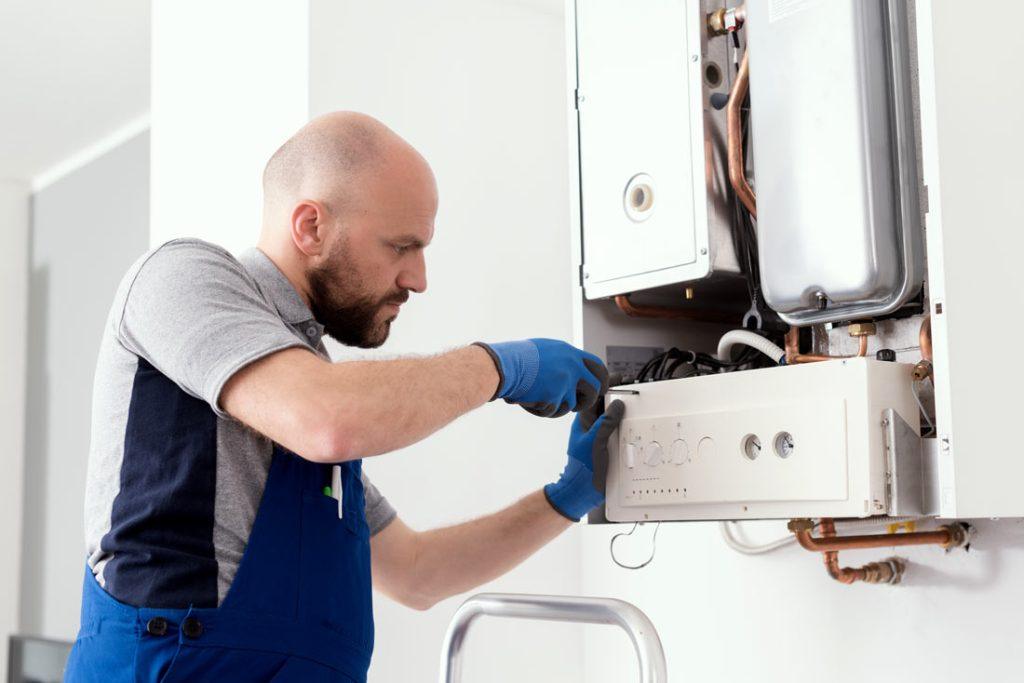
8. Service Your Boiler Annually
Regular servicing keeps your boiler operating at peak efficiency and can prevent costly breakdowns.
What’s included in a service:
- Cleaning internal components.
- Checking for leaks and corrosion.
- Ensuring safe and efficient combustion.
- Optimising pressure and flow levels.
Annual servicing is essential to maintain both safety and efficiency.
9. Set Your Boiler Pressure Correctly
Low or high boiler pressure can affect heating efficiency. Most boilers should operate between 1–2 bars of pressure.
How to check:
- Look at your boiler’s pressure gauge.
- If it’s outside the recommended range, adjust according to the manufacturer’s instructions or call an engineer.
10. Consider Zoning Your Heating System
Zoning allows you to divide your home into separate heating areas with independent controls. This ensures you only heat rooms you’re using, significantly improving efficiency.
Example: Bedrooms and living areas can be on separate timers, reducing unnecessary heating in unused spaces.
11. Use Your Heating System Wisely
Simple behavioural changes can make a big difference:
- Lower your thermostat by 1–2°C to save energy.
- Use curtains to retain heat at night.
- Keep doors closed to contain warmth in heated rooms.
- Avoid blocking radiators with furniture or curtains.
12. Add Reflective Panels Behind Radiators
Radiator reflectors prevent heat from escaping through external walls, directing it back into the room. They’re inexpensive and easy to install, improving heat distribution without extra energy use.
Final Thoughts
Improving the efficiency of your central heating system doesn’t always mean expensive upgrades. Small, cost-effective changes like bleeding radiators, adding TRVs, or using a smart thermostat can have a significant impact on performance and bills.
For maximum results, consider professional services such as power flushing, system balancing, or upgrading to a modern boiler. At Oakdene Heating, we help homeowners across St Albans optimise their central heating systems for comfort, efficiency, and long-term savings.
Contact us today to schedule a system check or get advice on making your heating more efficient.