When it comes to modern home comfort, underfloor heating is often seen as a luxury feature. But as more homeowners consider it, a common question arises: is underfloor heating truly worth the investment? In this blog post, we’ll explore the benefits, costs, installation considerations, and long-term value of underfloor heating, helping you decide whether it’s the right choice for your property.
What is Underfloor Heating?
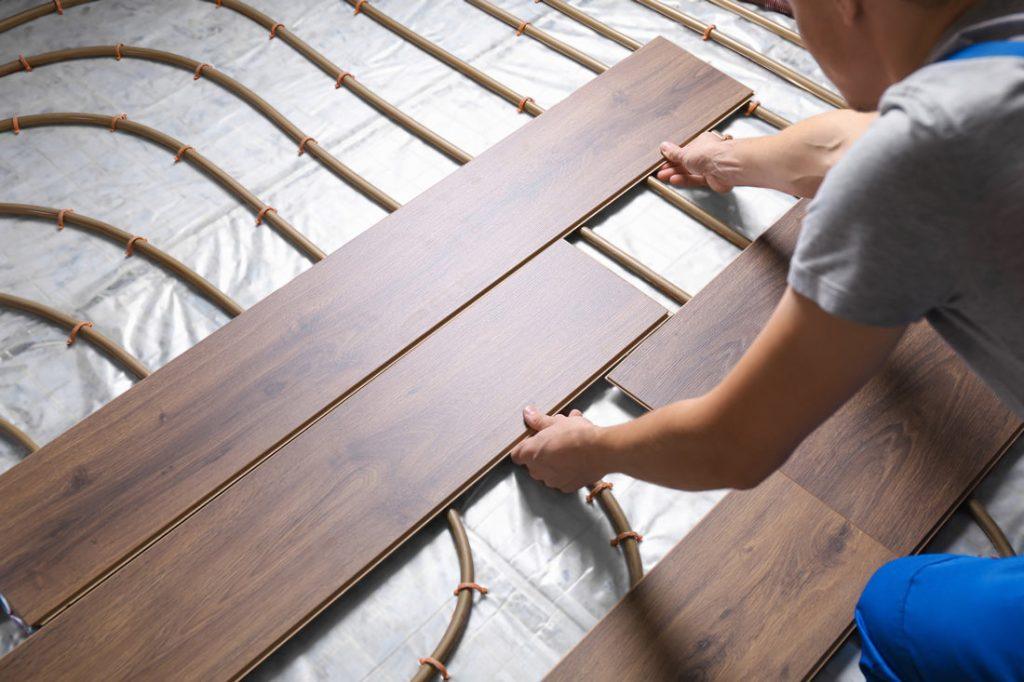
Underfloor heating is a system that distributes warmth evenly across your floors, replacing or supplementing traditional radiators. There are two main types of underfloor heating:
- Electric systems: Use electric cables or mats beneath the floor surface.
- Water-based systems: Use a network of pipes that circulate warm water under the floor.
Both types create a consistent, radiant heat that rises evenly through a room, providing a comfortable living environment.
Benefits of Underfloor Heating
1. Even Heat Distribution
Unlike radiators that heat the air in one area of a room, underfloor systems spread warmth evenly across the entire space, eliminating cold spots.
2. Energy Efficiency
Underfloor heating typically runs at lower temperatures than radiators while achieving the same comfort level, reducing energy consumption and potentially lowering heating bills.
3. Space-Saving Design
With no need for radiators, you free up valuable wall space, giving you more flexibility for furniture placement and interior design.
4. Improved Comfort
Walking barefoot on warm floors, especially in colder months, is a luxury many homeowners enjoy. The radiant heat also reduces dust circulation compared to forced air heating systems.
5. Compatibility with Renewable Energy
Water-based underfloor systems pair well with energy-efficient technologies like heat pumps, enhancing sustainability.
Potential Drawbacks of Underfloor Heating
While underfloor heating offers many advantages, it’s important to consider potential downsides:
- Higher Installation Costs: Particularly for water-based systems in existing homes, the initial expense can be significant.
- Longer Heat-Up Times: Unlike radiators that heat up quickly, underfloor heating can take longer to reach desired temperatures.
- Flooring Limitations: Certain floor materials, such as thick carpets, may reduce heat effectiveness.
- Installation Disruption: Retrofitting underfloor heating often requires lifting floors, which can be disruptive and time-consuming.
Cost of Underfloor Heating
The cost varies depending on the system type, property size, and installation complexity:
- Electric systems: Generally cheaper to install, costing between £50-£90 per square metre.
- Water-based systems: Typically cost more, around £70-£150 per square metre, plus additional expenses for pipework and connection to your boiler or heat pump.
Running costs depend on insulation, energy prices, and how the system is used. Well-insulated homes often experience significant energy savings over time.
Is It Cheaper to Run Than Radiators?
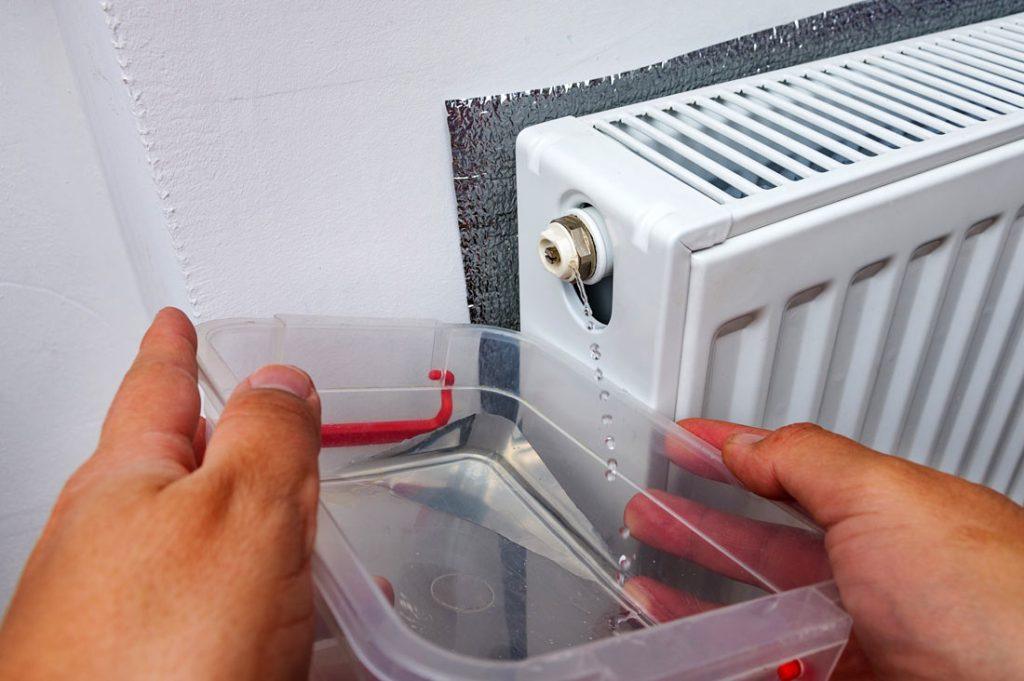
In many cases, yes. Underfloor heating operates at lower water temperatures (around 27-50°C) compared to radiators (65-75°C). This efficiency can reduce energy bills, especially when combined with renewable energy sources or modern condensing boilers. However, poorly insulated homes may not experience the same benefits.
Ideal Properties for Underfloor Heating
- New Builds: Easier and more cost-effective to install during construction.
- Homes with Good Insulation: Helps retain the radiant heat and boosts efficiency.
- Open-Plan Spaces: Maximises the benefit of even heat distribution.
- Bathrooms and Kitchens: Popular choices for added comfort underfoot.
Maintenance and Lifespan
Underfloor heating systems require minimal maintenance. Electric systems have very few moving parts, while water-based systems may need occasional servicing of pumps or controls. A well-installed system can last over 25 years, making it a long-term investment.
Underfloor Heating and Property Value
Adding underfloor heating can enhance your property’s appeal, particularly in modern homes or luxury markets. Buyers often see it as a desirable feature that sets your property apart. While it may not directly increase your home’s valuation significantly, it can make your property more attractive and easier to sell.
Environmental Benefits
Because underfloor heating uses lower operating temperatures, it consumes less energy than conventional systems when installed correctly. Combining it with renewable energy solutions like solar thermal panels or heat pumps further reduces your carbon footprint.
Is Underfloor Heating Worth It?
Ultimately, whether underfloor heating is worth the investment depends on your property type, budget, and long-term plans.
- Best suited for: New builds, renovations, or homes with high insulation standards.
- Ideal for comfort seekers: Provides unmatched warmth and a modern, uncluttered aesthetic.
- Long-term efficiency: Can reduce heating costs and maintenance compared to radiators.
However, for smaller budgets or quick, low-cost heating solutions, radiators remain a practical choice.
Final Thoughts
Underfloor heating offers superior comfort, energy efficiency, and a touch of luxury to any home. While the upfront costs can be higher, the long-term benefits often outweigh the investment, particularly in well-insulated properties or new builds.
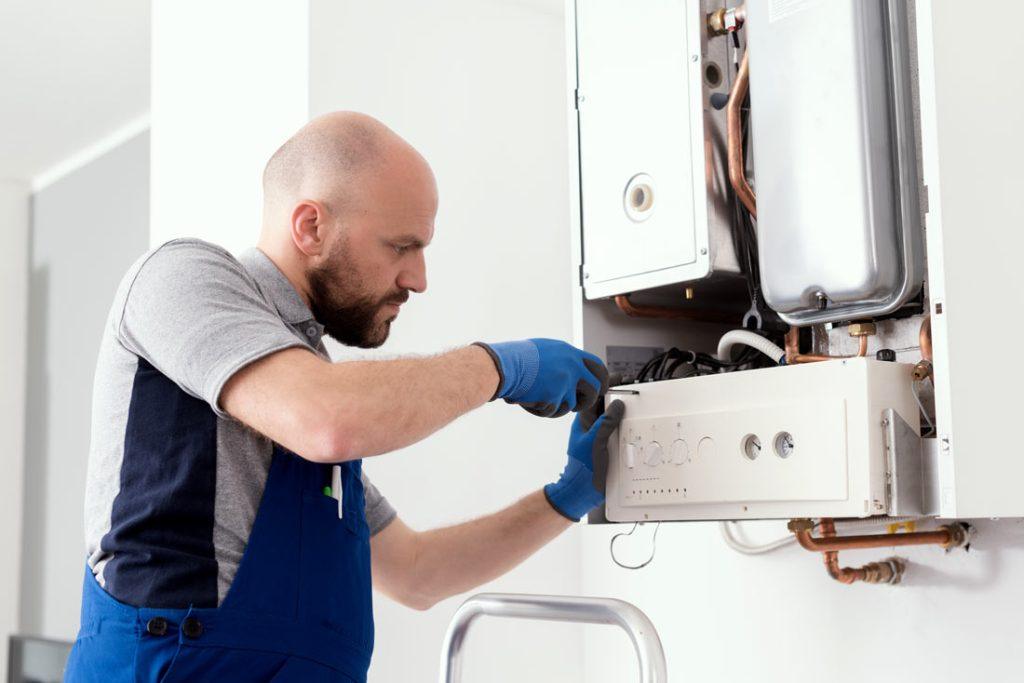
If you’re considering underfloor heating, it’s essential to consult a qualified heating specialist. At Oakdene Heating, we provide expert advice, design, and installation services to help you make the best decision for your home.
Contact us today to explore your options and discover if underfloor heating is the right choice for you.